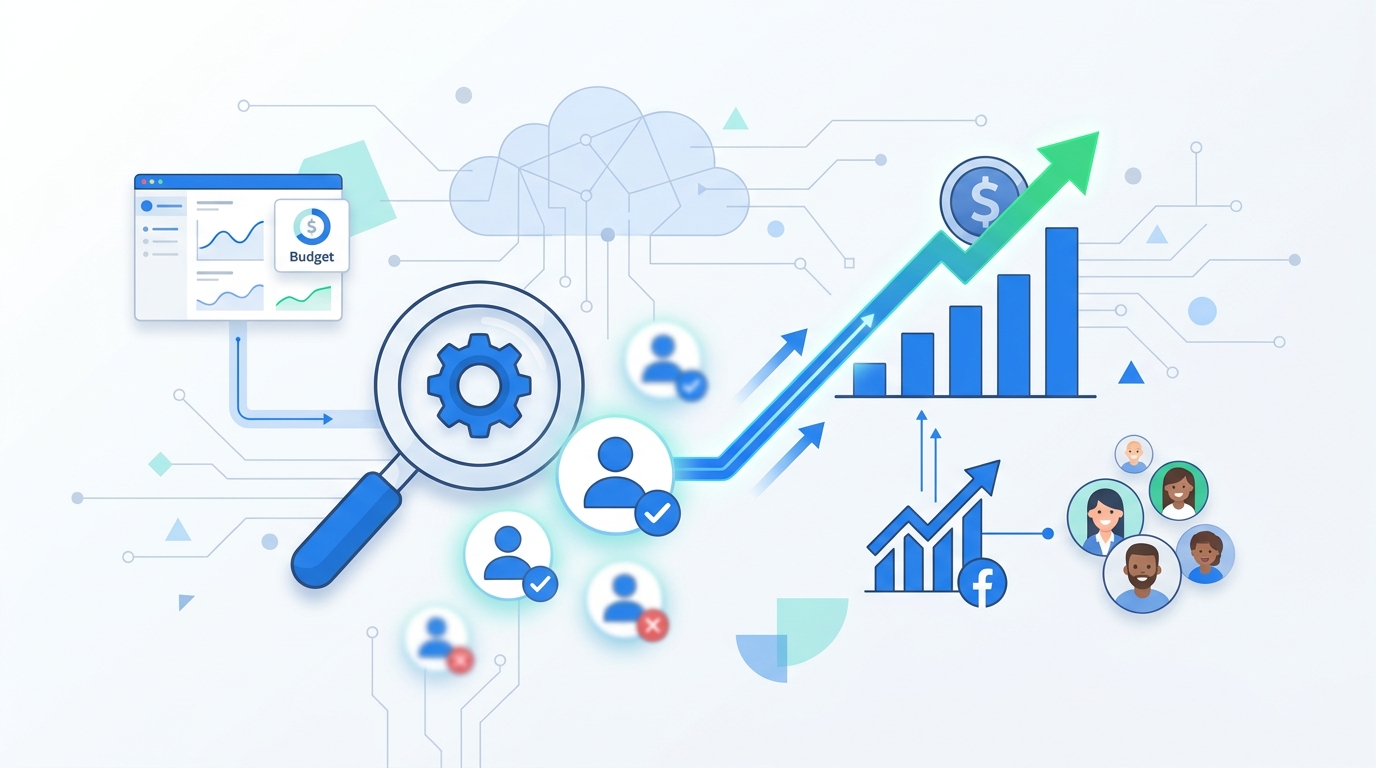
Facebookマーケティングにおいて、あなたの顧客の予算は本当に『実在のユーザー』に費やされていますか?多くの場合、見せかけの数字に惑わされ、期待外れのROIに終わることが少なくありません。デジタルマーケティングエージェンシーの皆様が、偽りのエンゲージメントの罠を避け、顧客のソーシャルメディア投資で真の価値を創造するための実践的なガイドを提供します。
本文ガイド
現状打破:なぜ従来のFacebook成長サービスはROI低下と信頼危機を招くのか
デジタルマーケティングエージェンシーの皆様は、顧客からFacebookの成長を期待され、Facebook growth servicesの選定に日々頭を悩ませていることでしょう。しかし、多くのサービスは表面的なフォロワー数やいいね数を増やすだけで、実際のエンゲージメントやコンバージョンには繋がらないのが現実です。このようなサービスは、結果として顧客のマーケティング予算の浪費、アカウントの安全性へのリスク、そして何よりもエージェンシーの信頼性低下に直結します。
顧客の予算を『実在のユーザー』に投資することが、Facebookマーケティングで高いROIを実現し、エージェンシーの信頼を築く唯一の道です。
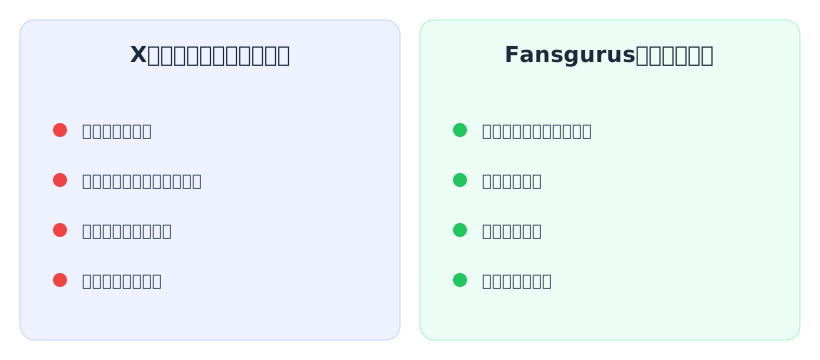
特に、エンゲージメントの低いアカウントや、短期的に急増するフォロワーは、Facebookのアルゴリズムによって簡単に認識され、アカウントのリーチを制限されたり、最悪の場合、ペナルティを受けたりする可能性があります。これは、見せかけの成長が長期的なブランド価値を損なうだけでなく、エージェンシーが顧客に提供すべき「真の価値」を失わせることに他なりません。私たちは、この現状を打破し、持続可能で成果の出るFacebookマーケティングを実現するための道筋を示します。
見極めの要:質の高いFacebook成長サービスの『実在のユーザー』識別基準
市場には数多くのFacebook成長サービスがあふれていますが、その中で本当に『実在のユーザー』によるエンゲージメントを提供するサービスを見極めることは容易ではありません。ここでは、エージェンシーが質の高いfacebook growth servicesを選ぶ際に不可欠な識別基準を解説します。
ユーザーの活動履歴とプロフィール
『実在のユーザー』は、単にアカウントが存在するだけでなく、活発な活動履歴を持っています。具体的には、自身の投稿、コメント、いいね、シェアの頻度、そしてフォロワーとフォロー中のアカウント数のバランスを確認しましょう。空のプロフィール写真、不自然なユーザー名、活動履歴の乏しいアカウントは、質の低いサービスである可能性が高いです。また、興味関心や居住地などのプロフィール情報が具体的であることも、実在のユーザーの重要な手がかりとなります。
エンゲージメントの質と関連性
質の高い『実在のユーザー』からのエンゲージメントは、単なる「いいね」の数に留まりません。投稿内容に関連した具体的なコメントや質問、シェア、そしてメッセージの送信など、深いインタラクションが期待できます。特に、コメントがジェネリックな内容ではなく、投稿の意図を理解しているかどうかが重要です。非実在のユーザーからのエンゲージメントは、典型的には短く、定型的で、コンテンツとの関連性が低い傾向があります。
安定した増加率と留存率
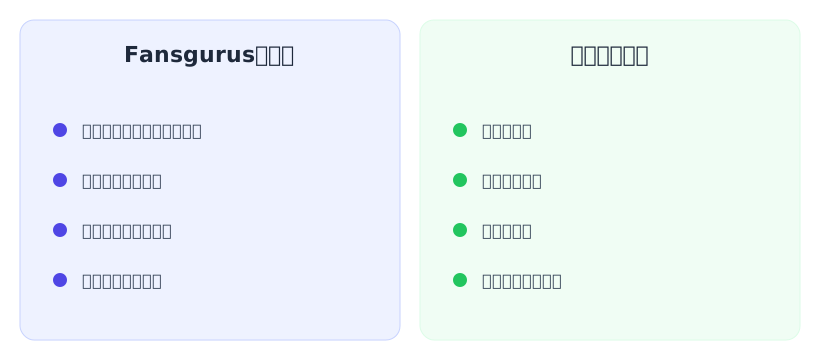
Facebookアカウントの成長は、自然なペースで段階的に進むべきです。短期間に不自然に急増するフォロワーは、その後の留存率が低く、すぐに減少する可能性があります。質の高いfacebook growth servicesは、安定した速度での増加を約束し、さらに高い留存率を維持します。Fansgurusでは、実在のユーザーからのサービス提供により、85-90%の定着率を誇り、30日間の減少補填ポリシーでサービス効果を保証しています。これは、一時的な数字の増加ではなく、長期的なアカウントの健全性を重視している証拠です。
数字を超えて:『実在のユーザー』から検証可能なマーケティングROIへ
真のFacebookマーケティング投資は、単なるフォロワー数の増加にとどまらず、最終的な事業目標への貢献、つまり高いROIに繋がるべきです。デジタルマーケティングエージェンシーとして、顧客にこの価値を証明するためには、『実在のユーザー』がもたらす具体的で検証可能な成果を示す必要があります。
高いエンゲージメント率が示す真の興味関心
『実在のユーザー』からのフォロワーは、投稿に対する「いいね」「コメント」「シェア」といったエンゲージメント率が格段に高くなります。この高いエンゲージメント率は、コンテンツに対する真の興味関心と、ブランドとの積極的な関わりを示唆しています。エンゲージメント率の向上は、Facebookのアルゴリズムに高く評価され、オーガニックリーチの拡大にも繋がります。これは、単なる数字遊びではなく、将来の顧客へと繋がる確かな指標です。
ウェブサイトトラフィックとコンバージョンへの貢献
Facebookページや投稿に誘導された『実在のユーザー』は、ウェブサイトへのトラフィックや、最終的な商品購入、サービス申し込み、リード獲得といったコンバージョンに貢献する可能性が飛躍的に高まります。Google AnalyticsやFacebook Pixelなどのツールを用いて、Facebookからのトラフィックの質やコンバージョン率を詳細に追跡することで、直接的なROIを測定できます。質の低いサービスでは、たとえフォロワー数が増えても、このようなビジネス成果にはほとんど結びつきません。
具体的なROI指標の追跡と比較
エージェンシーは、以下の指標を定期的に追跡し、before/afterで比較することで、投資対効果を明確に顧客に報告できます。
| ROI指標 |
『実在のユーザー』がもたらす影響 |
測定方法と重要性 |
| エンゲージメント率 |
高いインタラクション、コンテンツへの共感 |
「いいね数 + コメント数 + シェア数」÷「リーチ数」で計算。ブランド認知度と共感度の指標。 |
| クリック率 (CTR) |
ウェブサイト誘導への関心度 |
広告/投稿のリンククリック数 ÷ インプレッション数。ウェブサイトトラフィック増加の直接的な指標。 |
| コンバージョン率 (CVR) |
見込み客・顧客化への貢献 |
コンバージョン数 ÷ クリック数。売上やリード獲得に直結する最終的なビジネス成果。 |
| ページ滞在時間 |
コンテンツの魅力とユーザーの興味 |
Facebookページやウェブサイトでの平均滞在時間。ユーザーがコンテンツにどれだけ時間を費やしているかを示す。 |
これらの指標を透明性高く追跡し報告することで、エージェンシーは顧客に対してfacebook growth servicesの真の価値を明確に示し、信頼をさらに深めることができます。
長期的な貢献:高品質な『実在のユーザー』がデータ安定性とブランド成長を保証
デジタルマーケティングエージェンシーにとって、顧客のFacebookアカウントの成長は一時的なものではなく、持続可能でなければなりません。『実在のユーザー』による成長は、短期的な数字の増加を超え、長期的なデータ安定性とブランドの有機的成長の基盤を築きます。
アルゴリズムに評価される健全なアカウント
Facebookのアルゴリズムは、ユーザーのエンゲージメントとアカウントの健全性を常に監視しています。不自然な活動や非アクティブなアカウントが多数を占める場合、そのアカウントのリーチは制限され、コンテンツが表示されにくくなります。『実在のユーザー』からの安定したエンゲージメントは、Facebookのアルゴリズムに「このアカウントは価値あるコンテンツを提供している」と認識させ、オーガニックリーチの拡大、さらにはブランドの認知度向上に繋がります。
減少補填ポリシーによるデータ安定性の保証
ソーシャルメディアアカウントのフォロワーは、時間の経過とともに自然に減少することがあります。質の高いFacebook成長サービス、特に『実在のユーザー』を基盤とするサービスは、この自然な減少に対応するための減少補填ポリシーを提供します。Fansgurusでは、高品質な実在のユーザーサービスに基づいて、30日間の減少補填ポリシーを設けており、万が一の減少時にも迅速に対応し、アカウントデータの長期的な安定性を保証します。これにより、エージェンシーは顧客に常に正確で信頼できるデータを提供し、不必要な懸念を抱かせることがありません。
ブランドイメージの向上と長期的な信頼構築
『実在のユーザー』からの真のエンゲージメントは、ブランドにポジティブなイメージをもたらします。活発なコミュニティと高いインタラクションは、新規ユーザーにとって魅力的に映り、ブランドへの信頼感を高めます。これは、最終的にブランドロイヤルティの構築と、口コミによる有機的な成長に繋がるのです。エージェンシーは、このような持続可能な成長を通じて、顧客のビジネスに真の価値を提供し、長期的なパートナーシップを築くことができます。詳細については、Fansgurusを選ぶ5つの理由もぜひご覧ください。
エージェンシー視点:Facebook成長パートナーを効率的に選び管理する実践的アプローチ
デジタルマーケティングエージェンシーが複数の顧客を抱える中で、Facebook成長サービスを効率的に選択・管理し、高いROIを確保することは、その業務の中核をなします。ここでは、エージェンシーが知っておくべき実践的なアプローチを紹介します。
透明性とレポート機能の確認
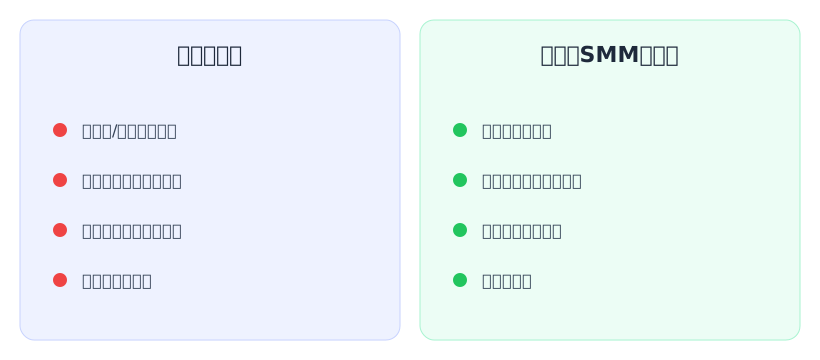
優れたfacebook growth servicesは、透明性の高いプロセスと詳細なレポート機能を提供します。注文状況、進捗、効果測定レポートをリアルタイムで確認できるシステムは、エージェンシーが顧客に明確な報告を行い、キャンペーンを最適化するために不可欠です。API連携の有無も、複数の顧客プロジェクトを管理する上で重要な要素となり得ます。
多角的なサービス提供とカスタマイズ性
Facebookの成長は、フォロワー数だけでなく、いいね、コメント、シェア、リール再生回数など、多岐にわたる要素で構成されます。多様なサービスを提供し、顧客の具体的なニーズに合わせてカスタマイズできる柔軟性を持つパートナーを選びましょう。例えば、Facebookフォロワーを増やす方法や、Facebookグループメンバーのサービスなど、具体的な目標達成をサポートするサービスが提供されているかを確認することが重要です。
顧客サポートと戦略的アドバイス
問題が発生した際に迅速に対応してくれる質の高い顧客サポートは必須です。また、単にサービスを提供するだけでなく、facebook growth servicesを顧客の全体的なマーケティング戦略にどのように組み込み、ROIを最大化するかについて、戦略的なアドバイスやインサイトを提供してくれるパートナーは、エージェンシーにとって大きな資産となります。Fansgurusは、アジアの主要なプラットフォームとして、多様な市場特性を理解し、グローバルな成長ソリューションを提供しています。
よくある質問
Q1: Facebook成長サービスを利用する際、エージェンシーが最も注意すべき点は何ですか?
A1: 最も注意すべきは、提供されるユーザーが『実在のユーザー』であるか否かです。非アクティブなアカウントはROIを低下させ、顧客アカウントの安全性にリスクをもたらします。
Q2: 『実在のユーザー』かどうかをどのように見極めれば良いですか?
A2: ユーザーのプロフィール、活動履歴、投稿との関連性の高いエンゲージメント、そして安定した増加率と高い留存率が識別基準となります。
Q3: 『実在のユーザー』によるサービスは、ROIにどのように貢献しますか?
A3: 高いエンゲージメント率、ウェブサイトトラフィックの増加、そして最終的なコンバージョンへの貢献を通じて、具体的なビジネス成果に繋がり、ROIを向上させます。
Q4: フォロワーが減少した場合の補償はありますか?
A4: はい、質の高いサービスプロバイダーは、自然なフォロワー減少に対応するため、一定期間の減少補填ポリシーを提供しています。Fansgurusでは30日間の補填があります。
Q5: デジタルマーケティングエージェンシーにとって、最適なパートナー選びのポイントは何ですか?
A5: 透明性の高いプロセス、詳細なレポート機能、多角的なサービス提供、カスタマイズ性、そして質の高い顧客サポートが重要です。
Q6: FansgurusのFacebook成長サービスはどのような特徴がありますか?
A6: Fansgurusは、実在のユーザーによるエンゲージメント、高いデータ安定性を保証する減少補填、自動化された透明性の高いプロセス、競争力のある価格設定を特徴としています。
デジタルマーケティングエージェンシーにとって、Facebookマーケティングの成功は、単なる数字の追求ではなく、顧客のブランド価値を高め、具体的なビジネス成果に貢献することにあります。Fansgurusは、お客様のマーケティング予算が『実在のユーザー』に確実に投じられ、期待を上回るROIを実現できるよう、高品質なFacebook成長サービスを提供しています。今すぐ、私たちの『実在のユーザー』ベースのFacebook成長ソリューションを探索し、お客様のマーケティング予算を検証可能な真のROIへと転換させましょう。
詳細はこちらから: Fansgurus公式サイト