Three weeks. Three appeals. Zero change.
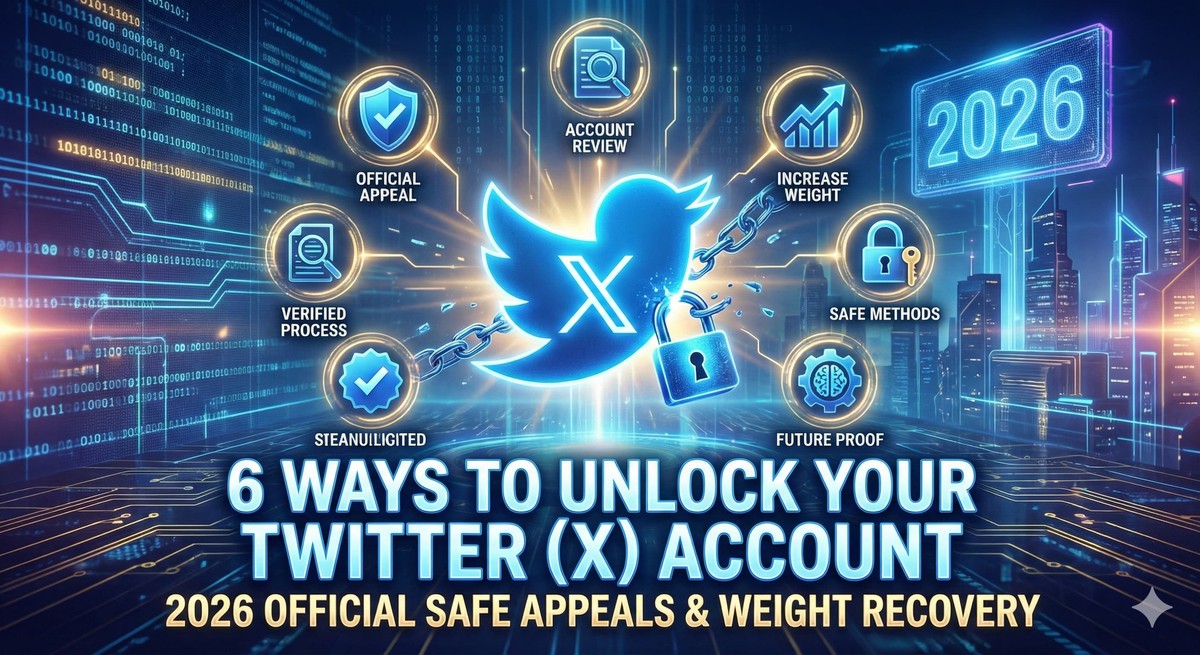
If you're reading this, you've probably already done everything the standard 2026 Twitter shadowban guides told you to do — the 48-hour silent period, the 4-1-1 ratio fix, the appeal form, the connected-apps cleanup. None of it worked. Your tweets are still invisible to non-followers. Your DMs still bounce. Your search visibility hasn't returned. And every new article you read recycles the same four steps you've already tried twice.
Here's the part almost no one writes about: X's shadowban system in 2026 isn't primarily triggered by what you posted — and for persistent shadowbans, the appeals process genuinely cannot fix the underlying problem, no matter how many forms you submit or how perfectly you behave afterward. The standard "4-step recovery plan" you've read a dozen times works for about 13% of flagged accounts. For the other 87%, the root cause is something structural that no appeal reviewer can override.
This guide explains what X's trust algorithm actually measures in 2026 (it's not what most guides tell you), why the 4-1-1 rule and similar "content hygiene" fixes can't lift a persistent shadowban on their own, and the real path to restore reach in 48–72 hours when every other method has failed.