I. Why TG Premium Top-up is a High-Frequency Scenario for Virtual Cards
Telegram Premium is a classic cross-border digital subscription: while the amount is small, it requires high online transaction capability and risk control stability. For ad agencies, e-commerce practitioners, AI power users, and overseas business teams, TG is a high-frequency tool for communication and collaboration. Premium renewal is a foundational subscription that must remain stable. The value of virtual cards lies in: controllable limits, isolation between cards and business, ability to switch BIN ranges to lower risk hits, avoiding long-term exposure of main card info, and facilitating team expense tracking and cost accounting.
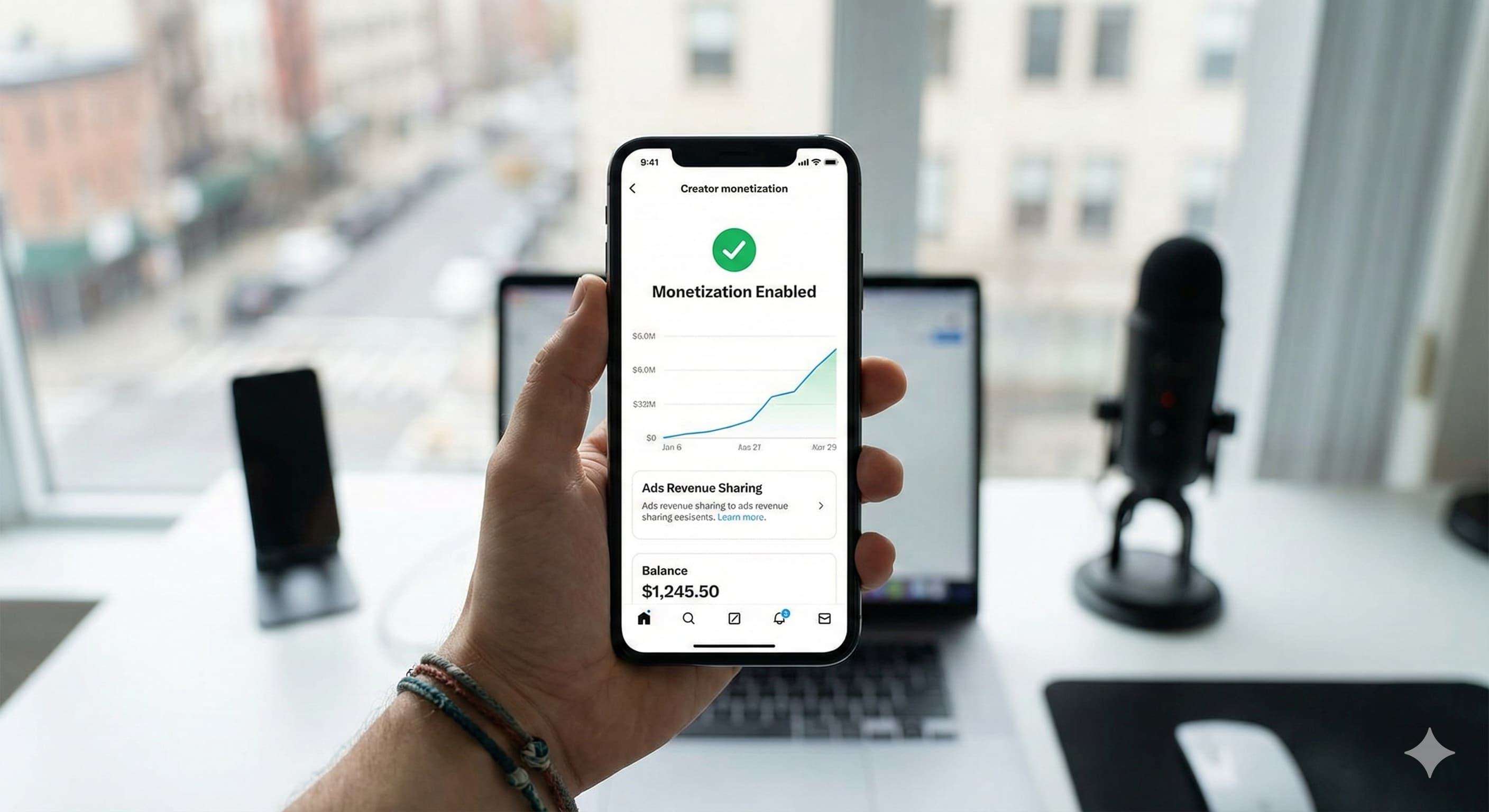
Today in 2026, the X platform's Ads Revenue Sharing program has entered a mature stage. Whether you are a part-timer looking to earn extra income or a KOL seeking to maximize brand value, understanding X's underlying profit logic is the first step.
Many users report: "I tweet every day, why are my earnings only a few dollars?" or "I clearly have traffic, why is my application always rejected?"
This article will completely solve your doubts. We will guide you through the entire Twitter monetization chain from four dimensions: entry thresholds, algorithm boosting, monetization "black tech," and Fansgurus acceleration solutions.
Marketing on Telegram is like walking on a knife's edge. You might have just prepared a perfect marketing script, opened a dialogue box for a potential client, only to find that desperate prompt popping up: "Sorry, you can only send messages to mutual contacts at the moment."
This means you have been "muted"—you cannot proactively message strangers unless they contact you first. For marketers, gray-market practitioners, or advertisers who rely on TG, this is almost equivalent to having their financial path cut off.
In 2026, Telegram's anti-spam algorithm has upgraded again, with AI monitoring becoming even more sensitive. In this article, we will deeply deconstruct the underlying logic of mutual restrictions and provide the most effective strategies for lifting and preventing them today.
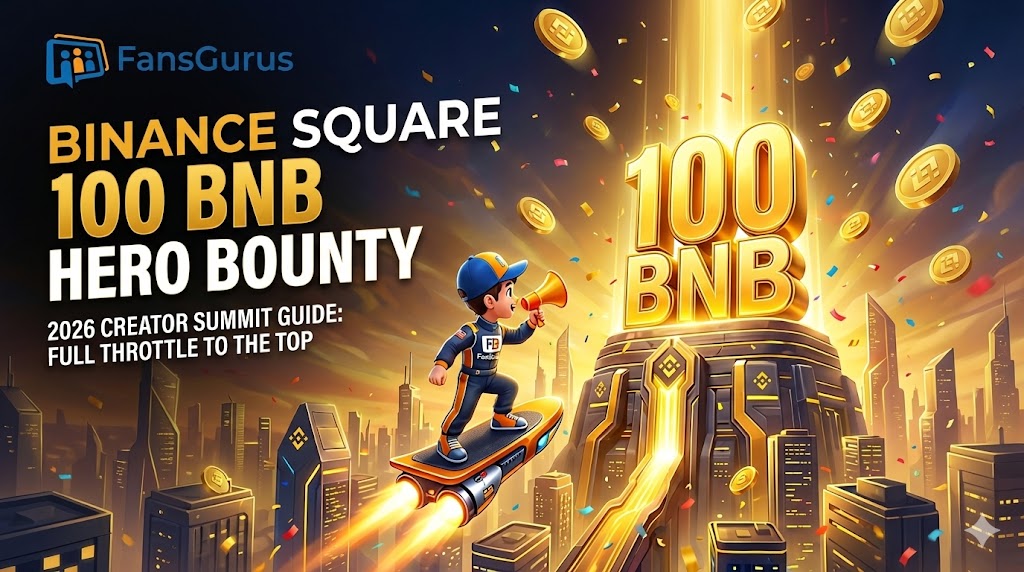
Every serious creator deserves to be seen! At the beginning of 2026, Binance Square officially issued a "Hero Post Invitation": giving away 10 BNB daily for 10 consecutive days, totaling 100 BNB, in search of high-quality content creators.
For many Web3 creators and KOLs, this is not just a competition with generous rewards, but also an excellent opportunity to enhance personal brand weight. However, facing only 10 spots daily, how can you make your content stand out from the sea of information?
In the Web3 traffic landscape, Binance Square has become a core hub for global cryptocurrency investors, KOLs, and project teams. As the native community of the world's largest exchange, every follow and comment here is directly linked to market sentiment and real wealth.
However, for most Binance KOLs or project operation staff, the difficulties faced are often brutal: even if the content is of high quality, without initial "Social Proof," the Binance recommendation algorithm finds it difficult to push your posts into the feeds of tens of millions of users.
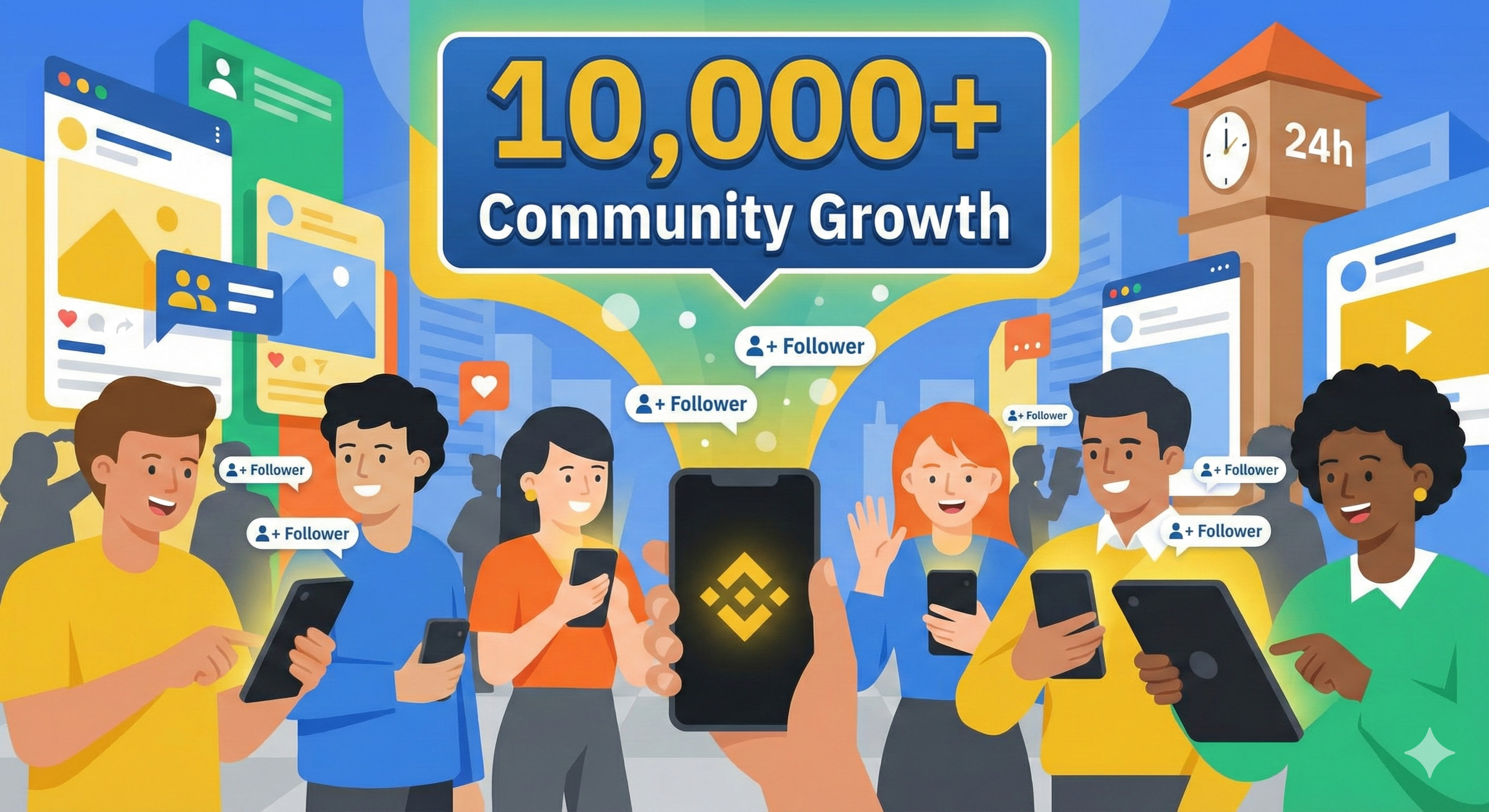
Will you choose to struggle for a month with zero followers, or achieve a transformation from 0 to 10,000 within 24 hours? This article reveals the traffic rules of Binance Square in 2026 and how to use professional tools to gain a competitive advantage.
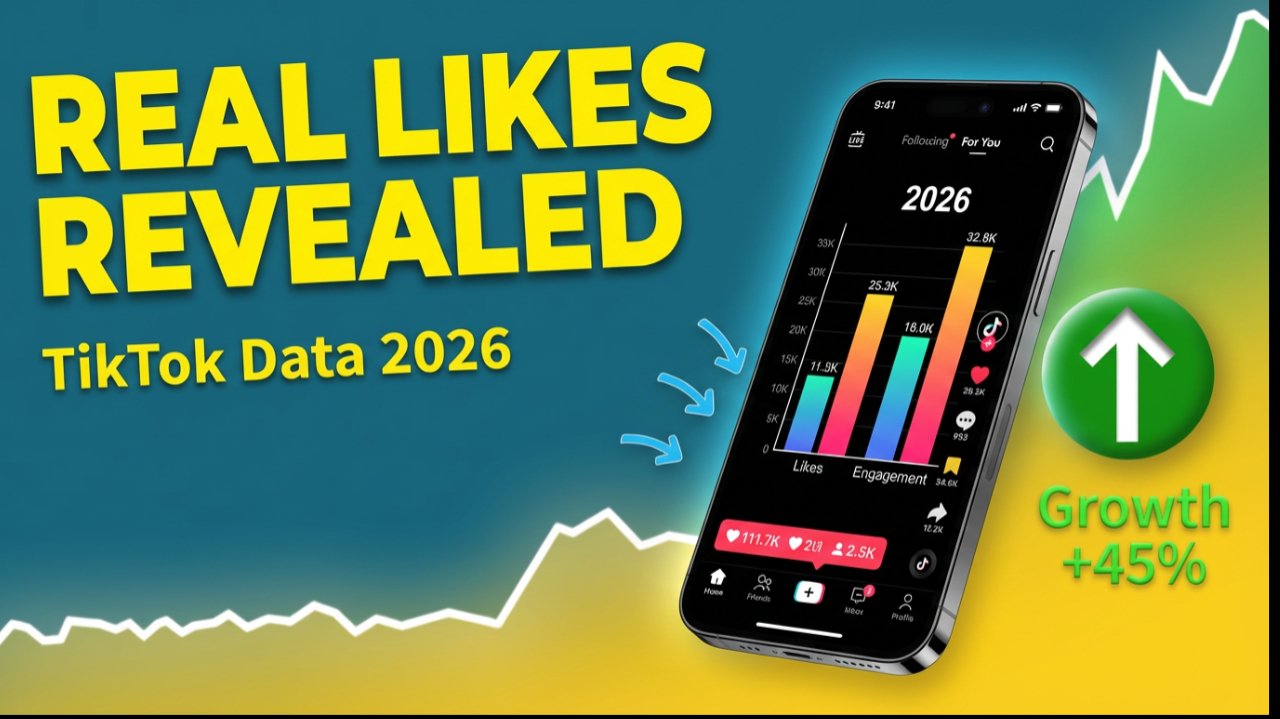
In the field of social media marketing, a striking phenomenon has emerged in 2026: a large number of TikTok creators, despite having a considerable number of followers, are facing the dilemma of declining reach and monetization capabilities. According to the latest social media analysis reports, over 65% of TikTok creators have experienced significant growth bottlenecks in the past 12 months, with the most concerning issue being the quality of engagement.
This article will provide an in-depth analysis of the TikTok latest algorithm's requirements for like quality and how to improve account performance through high-quality interaction.
Réponse courte : la croissance Telegram en 2026 repose sur une promesse de canal claire, la rétention et la mesure par source. Membres, vues et réactions sont des signaux distincts. Les commandes brutales ou superposées masquent les problèmes ; privilégiez une acquisition progressive, un contenu stable et un protocole de reprise.
Choisir canal ou groupe selon l’action attendue
Le canal diffuse ; le groupe favorise la conversation. Ils peuvent être liés, mais le premier privilégie vues et transferts, le second premier message et retour.
Définissez l’expérience principale avant de multiplier les chemins.
Construire un modèle de risque pratique
Source peu pertinente, mauvaise zone, vitesse disproportionnée, commandes simultanées et accès au compte dégradent analyse et confiance.
N’inventez pas une formule secrète d’algorithme. Contrôlez promesse, rétention, ratio membres/vues et actions observables.
Contrôles
lien par source
base enregistrée
acquisition par étapes
aucun code de connexion
une commande à la fois
Prouver la promesse dans les trois premiers posts
Nom, description et message épinglé indiquent public, bénéfice et point de départ. Les trois premiers contenus doivent illustrer le format annoncé.
Créez des rubriques : alerte courte, analyse, checklist et cas. Un rythme crée une attente ; ce n’est pas du volume aléatoire.
Utiliser sondages et discussions pour décider
Posez une question qui change le prochain sujet ou révèle une objection, puis montrez comment le résultat a influencé la suite.
Dans le groupe lié, posez une question précise et modérez ; une question vague produit rarement un échange utile.
Acquérir par étapes
Vérifiez si le produit livre des membres, des vues de post ou des réactions. Lisez lien cible, zone, rythme et remplacement.
Fansgurus peut soutenir l’échelle visible via un petit test, sans garantir l’activité de chaque membre. Attendez la fin avant de répéter.
Équilibrer le tableau de bord
Notez total, entrées et sorties, vues à 24/72 heures, réactions, transferts, clics et résultat par source.
Si les membres montent tandis que la consommation baisse, suspendez l’échelle et revoyez promesse et origine.
Prévoir une reprise en cas de problème
Suspendre les nouvelles commandes et enregistrer l’état.
Vérifier lien, service et commande active.
Contacter le support avec le numéro, sans doublon.
Maintenir le contenu normal et éviter les changements impulsifs.
Après résolution, reprendre avec une source et un test plus petit.
Plan de quatre semaines
Semaine 1 : audit ; semaine 2 : deux rubriques et invitations ; semaine 3 : une collaboration et un petit test ; semaine 4 : rétention et conversion par source.
N’augmentez l’échelle que si le nouveau public reste et réalise l’action liée au but.
Questions fréquentes
Acheter des membres garantit-il les vues ?
Non. Ce sont des métriques et services distincts.
Faut-il partager un code Telegram ?
Non. Ne partagez jamais un code de connexion.
Pourquoi éviter les commandes simultanées ?
Elles empêchent d’identifier l’origine de la livraison et du problème.
Quelle métrique prioriser ?
Selon le but : rétention et transferts pour un média ; clics et leads pour une activité.
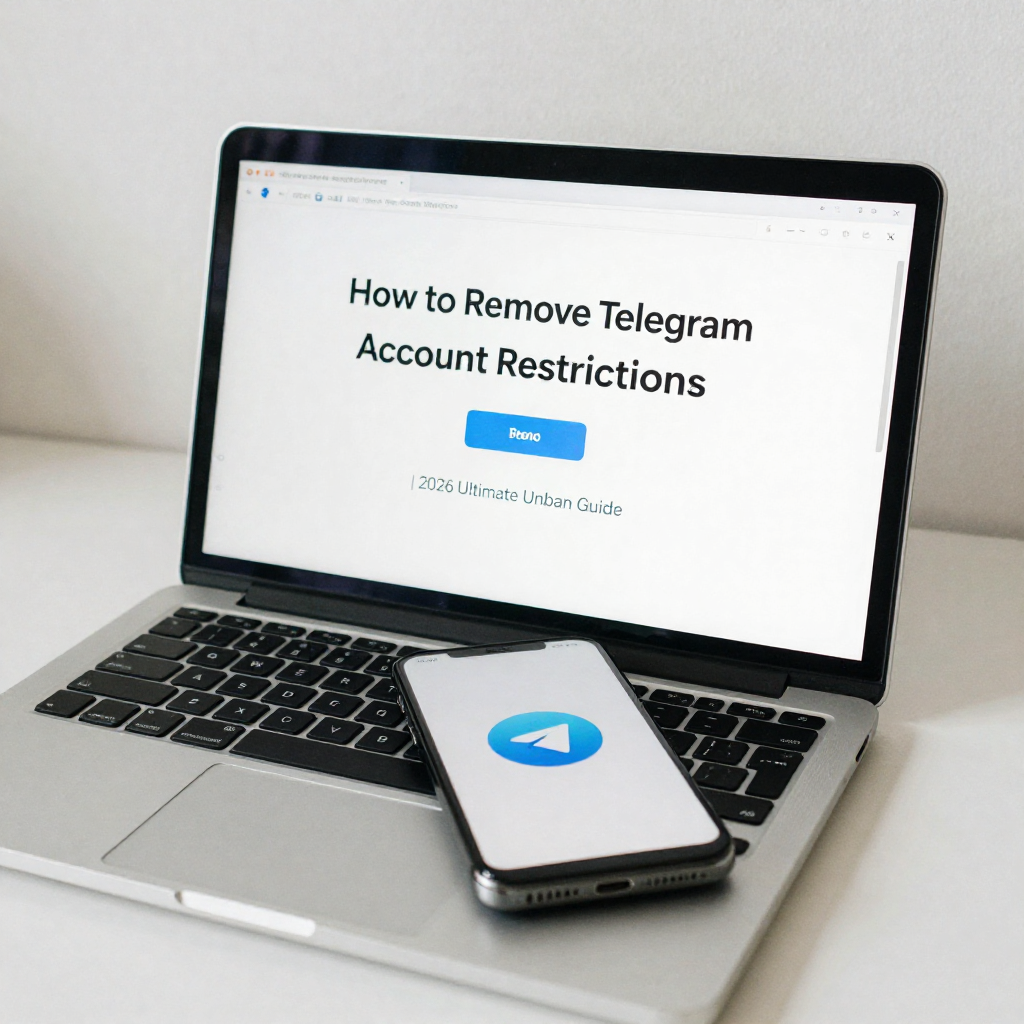
In the Telegram ecosystem of 2026, the platform's risk control algorithms have become extremely strict in order to combat spam. Many users receive a message when trying to DM strangers: “Sorry, you can only send messages to mutual contacts at the moment.”
This situation is known as a "Mutual Restriction." Whether you are browsing news on your phone or conducting business on your computer, once restricted, communication efficiency will be greatly reduced. Don't worry, here is a comprehensive unban guide compiled for you.
In the social media ecosystem of 2026, Twitter (X) has evolved into a hardcore battlefield where "authority determines traffic." As the X algorithm shifts from simple numerical statistics to deep identity auditing, possessing a follower matrix with high credibility and deep authority has become the key engine for brand globalization, Web3 project marketing, and personal influence breakthroughs.
If you're reading this, you've probably already done everything the standard 2026 Twitter shadowban guides told you to do — the 48-hour silent period, the 4-1-1 ratio fix, the appeal form, the connected-apps cleanup. None of it worked. Your tweets are still invisible to non-followers. Your DMs still bounce. Your search visibility hasn't returned. And every new article you read recycles the same four steps you've already tried twice.
Here's the part almost no one writes about: X's shadowban system in 2026 isn't primarily triggered by what you posted — and for persistent shadowbans, the appeals process genuinely cannot fix the underlying problem, no matter how many forms you submit or how perfectly you behave afterward. The standard "4-step recovery plan" you've read a dozen times works for about 13% of flagged accounts. For the other 87%, the root cause is something structural that no appeal reviewer can override.
This guide explains what X's trust algorithm actually measures in 2026 (it's not what most guides tell you), why the 4-1-1 rule and similar "content hygiene" fixes can't lift a persistent shadowban on their own, and the real path to restore reach in 48–72 hours when every other method has failed.